+971 56 409 2633 +971 54 455 2747 info@primheights.com
Wholesale Collection · Weekly Rounds · Cold Store Return

Fridge Van Rental in Dubai — For the Round That Leaves Empty and Comes Back Loaded

Most chilled vehicle pages talk about delivery. This one is about collection. A wholesale distributor or small importer drives out on Monday morning with an empty box, hits five or six suppliers across the city, and comes back to the cold store by noon with the whole week's stock. That is a different job from a delivery route, and it needs a Fridge Van Rental that holds temperature across every pickup, not just the first one.

0°C – +8°CChilled band
-18°CFrozen option
4 – 5Pallets per van
4 – 8Pickups per round
1 – 1.5 TPayload
Driver optionalSelf-drive available

The Vans Behind a Collection Round

Every unit below is one we hire out for supplier collection work. Standard bodies for tight wholesale lanes, high-roof for taller stock, freezer units when the round carries frozen as well as chilled.

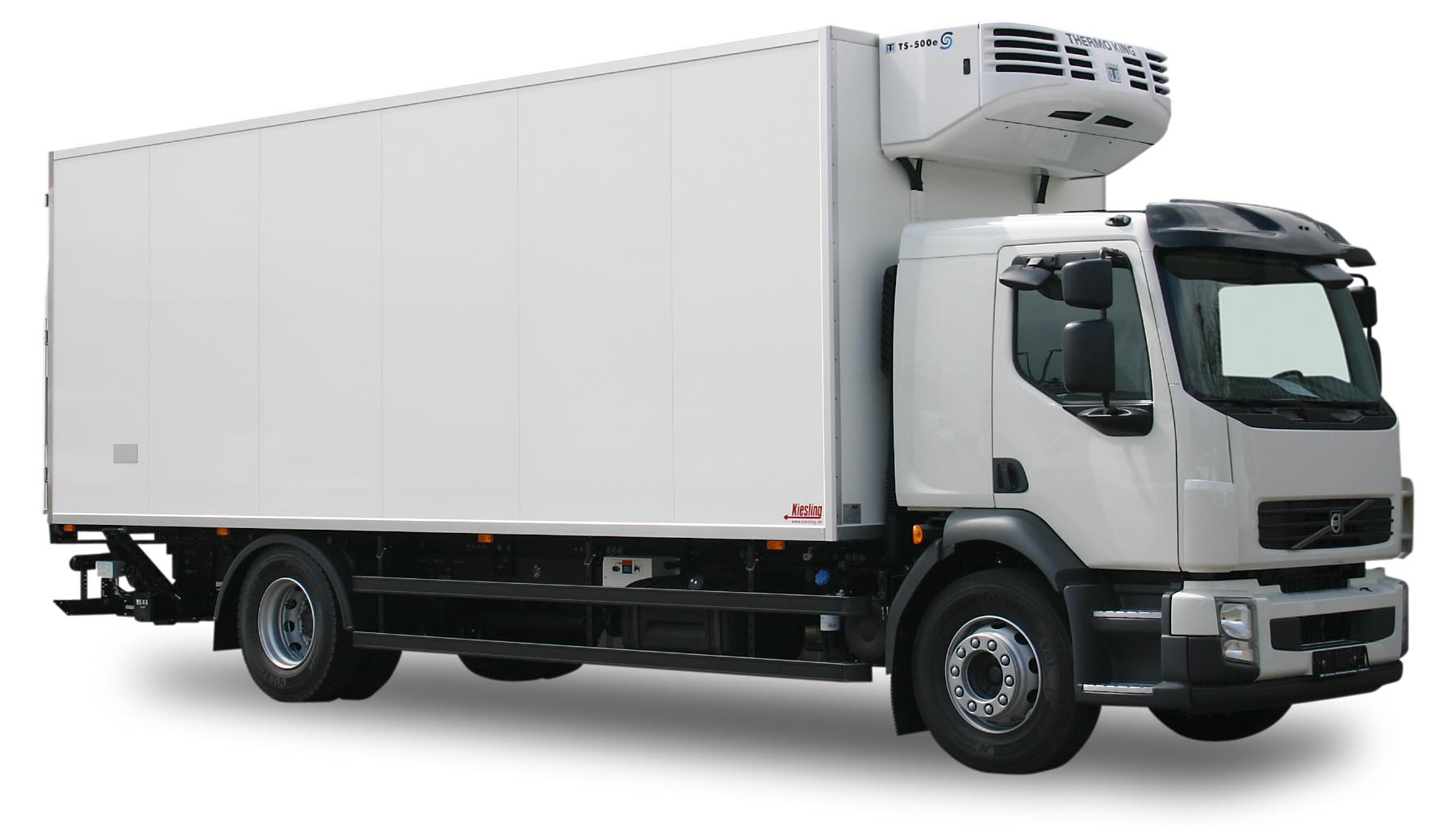
Fridge van rental for supplier collection rounds in Dubai
Standard Fridge Van — Collection Round Four to five pallets, fits wholesale lanes in Deira and Al Aweer
High roof fridge van for wholesale supplier pickups
High Roof Chiller Van Extra height for stacked bakery and dry-store cartons
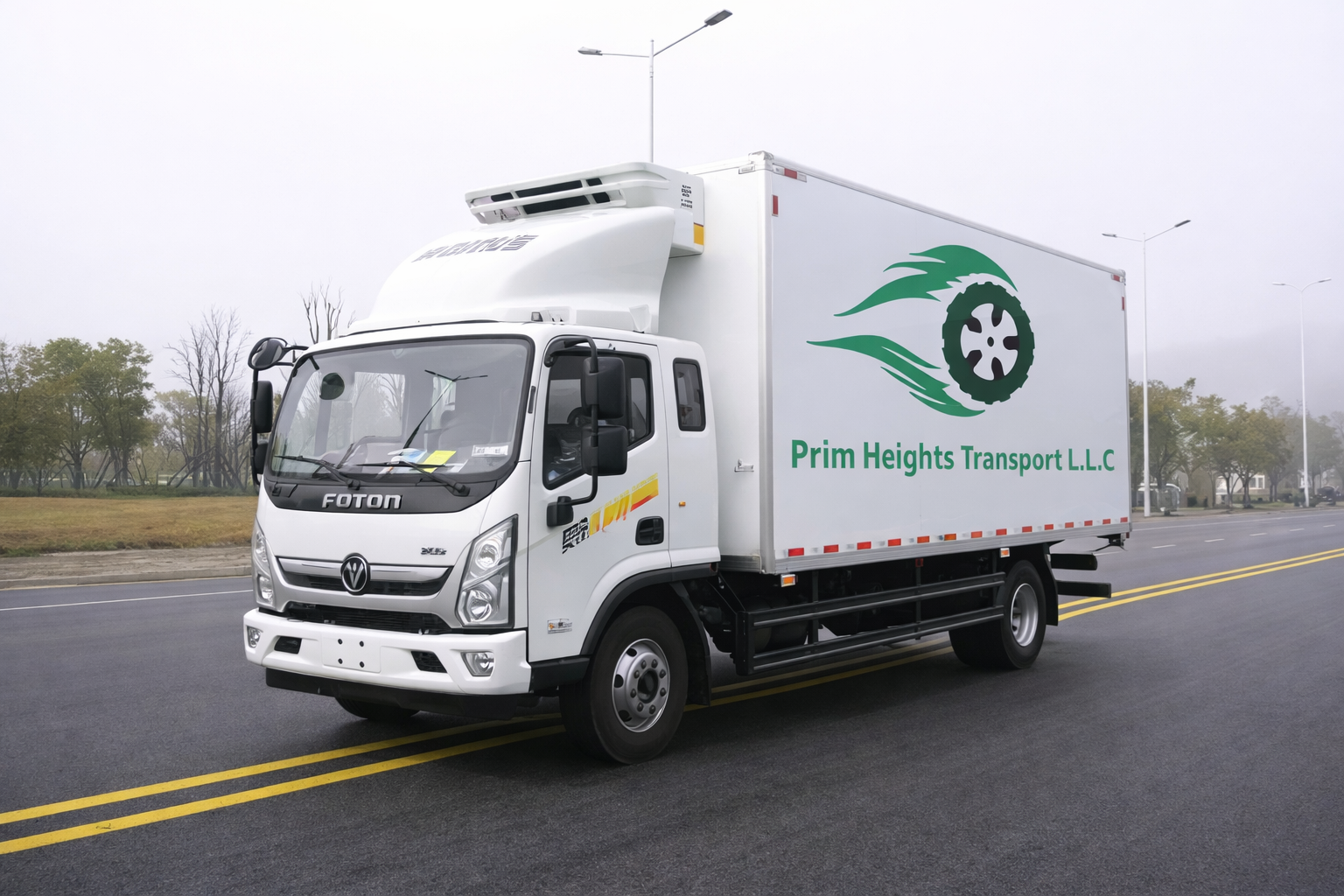
Fridge van on a multi-pickup collection route in Dubai
Multi-Pickup Collection Van Five to eight supplier stops before the cold store return
Freezer van rental for frozen supplier pickups
Freezer Van When the round carries a frozen-only load
Chiller truck available when the collection round outgrows the van
Chiller Truck For rounds that outgrow the four-pallet van
Refrigerated van for rent in Dubai and Abu Dhabi collection routes
Refrigerated Van Dual-temp rounds carrying chilled and frozen
Chiller van collection round for wholesale distributor
Standing Collection Contract Same van, same driver, same weekly round
Fridge van for cold store return trip Dubai
Cold Store Return Trip Loaded box, temperature logged, signed at the dock

Collection Round vs Delivery Round

They look the same on paper — a van, a route, multiple stops. But the temperature problem is the opposite. On a delivery round the van starts cold and empties out. On a collection round the van starts empty and fills up with stock that has to stay cold across every subsequent pickup.

A Delivery Round Starts Full

The van leaves the central cold store fully loaded, already at set point. It drops stock off at each stop. As the day goes on the box empties, which makes the cooling easier — less thermal mass to hold, fewer internal air pockets to circulate. Every stop removes load. The temperature risk is at the beginning of the route, not the end.

Where a delivery round fails

  • The first drop is late and the box sits with the door open
  • The restaurant has no proper receiving dock
  • Paperwork takes longer than the parking window

A Collection Round Starts Empty

The van leaves the distributor's cold store with nothing inside. First pickup loads. Second pickup loads on top. Third pickup stacks against the second. By the fourth or fifth pickup the box is nearly full and every subsequent door opening puts the whole load at risk. The temperature risk is at the end of the route, not the beginning.

Where a collection round fails

  • A supplier loads warm stock and it sits next to cold stock for the rest of the round
  • Loading order is wrong, so the first pickup is buried under later pickups
  • The box stays open during long supplier paperwork while the driver sorts delivery notes
  • The route runs past the point where the box is full but there are still pickups left

Why the fix is loading order, not a bigger compressor

A collection round does not need a bigger compressor to work. It needs the box loaded in reverse order, the door closed between every pickup, and warm stock flagged at the point of loading before it mixes with the earlier pickups. The compressor is the same size as a delivery van's. The discipline is different because the route is different. That is what this page is about — the operational side of running a chiller van rental on a collection route, not the vehicle's spec sheet.

Reverse Loading — the Single Most Important Habit

The van leaves the cold store empty. First pickup loads at the front of the box, against the front wall but clear of the evaporator. Second pickup loads behind the first. Third behind that. Last pickup sits at the rear door. On the way back to the cold store, the load comes off in reverse — last pickup first, first pickup last — which means nothing has to be shifted inside the box to reach any given supplier's stock.

What Reverse Loading Saves

On a five-pickup round with a full box, reverse loading saves 15 to 20 minutes at the cold store because nothing has to be unloaded twice. Every pallet comes off the rear door in order without an intermediate sorting step. The dock team knows the sequence from the delivery note and works top-to-bottom.

What Reverse Loading Costs

Nothing — but the driver has to think about the full round at the first pickup. That means knowing the drop order in reverse before the box is loaded at supplier one. Drivers who are used to delivery rounds instinctively load for the next stop, not the last one. It takes one or two rounds to break the habit.

What Fails When Loading Isn't Reversed

The cold store dock team arrives at the van, opens the rear door, and finds the last pickup's stock at the front of the box. Everything has to come out and get re-stacked on the dock. That is a 30-minute cold chain break in summer, and the last pickup (which was the coldest, having been loaded most recently) is now the warmest because it was staged in the sun.

Who Runs Collection Rounds

Different wholesale and distribution businesses have different collection patterns. Here is how the four most common customers use the service.

Wholesale Food Distributors

Weekly rounds through the Al Aweer fruit and vegetable market, the Deira spice souk and the Dubai Central Fruit & Vegetable Market. The van hits four to six suppliers per round, loads in reverse order, and returns to the distributor's cold store in Al Quoz by noon.

Small Importers

A container arriving at Jebel Ali is split across multiple consignees. The small importer needs to move their share (two or three pallets) from the consolidator's warehouse to their own storage. One fridge van does the trip in one go, without renting a full truck for a partial load.

Specialty Retail Chains

Bakeries, cheese shops, butchers and premium grocery chains that source from small producers. Each producer has a weekly production day, and the round collects from three or four on the same trip. The van goes out empty and comes back with the full week's specialty stock.

Pharmacy Distributors

Temperature-sensitive medicine collection from a small number of importers to a central dispensing warehouse. Fewer pickups but stricter temperature bands — usually 2°C to 8°C — and a printed log required at every collection point.

Temperature Discipline Across Multiple Pickups

A five-pickup round is ten door openings — five to load, five to close. Every opening lets warm air in. The engineering that keeps the box cold on a delivery van is the same on a collection van; the difference is the discipline required to use it.

Pre-Cool Before the First Pickup

Start the unit twenty minutes before the first supplier. A cold box holds; a warm box is playing catch-up for the first two pickups. On a 45°C morning, pre-cooling before pickup one is the difference between a steady 4°C through the whole round and a load that creeps up to 8°C by pickup three.

Close the door between pickups

The instinct at each supplier is to leave the rear door open while the paperwork is sorted or the next crate is brought around. On a five-pickup round, five minutes per pickup with the door open adds 25 minutes of accumulated door-open time. At 45°C ambient, that is the equivalent of running the unit on half power for the whole route.

Flag warm stock at the point of loading

If a supplier loads stock that is already at 10°C or 12°C — which happens with produce that has been sitting on a loading dock — the driver should note it on the collection sheet before it is mixed in with the cold load. That one habit protects the cold store receiving team from a mixed-temperature pallet that looks uniform from the outside.

The Log at Every Pickup

The receiving team at the cold store needs to sign off on what temperature each supplier's stock arrived at. The driver reads the box display before and after each pickup, and again at the cold store return. That gives the cold store team a per-supplier temperature record, which is what they need if a quality issue comes up later.

What the display actually tells you

The display reads the air temperature near the evaporator, not the temperature inside the stock itself. When a warm pallet is loaded, the display will drop quickly as the unit pulls the surface air, but the core of the pallet takes longer to stabilise. That is why the driver reads before loading, after loading and at the cold store — not just once.

When the route should stop

If the box temperature climbs above 8°C and the unit is not pulling it back down, the round should stop and the stock should move into a cold store before the next pickup. That is a decision the driver makes on the route, not something the customer has to know about in advance. The rule is: one full band above set point means the round is finished.

Sizing the Van to the Round

Picking the wrong van for a collection round means either wasted capacity on every trip or a round that runs out of space on pickup four. Both cost money on a weekly route.

Standard Fridge Van

Four to five pallets, around 1 to 1.5 tonnes. Fits the wholesale lanes in Deira and Al Aweer where the parking is tight. Best for rounds with four to five pickups and stock that stacks under 1.5 metres.

Best for

Single-distributor rounds, small-importer consolidation, specialty retail pickups.

High Roof Fridge Van

Same footprint as the standard van but with 1.9 metres of interior height. Allows stacked bakery racks, tall cartons, catering trays and upright produce crates. Same parking envelope, more usable volume.

Best for

Rounds that carry a lot of cartons relative to weight — bakery, produce, dry-store combined with chilled.

Small Chiller Truck

When the round needs more than five pallets, the van stops being the right vehicle. A 3-ton truck carries 8 to 10 pallets, and every subsequent pickup does not have to be re-arranged to fit. For rounds that always run close to the van's limit, the truck is cheaper per pallet.

Best for

Multiple-container importer rounds, distributors with six-plus pickups per week, large bakery or produce rounds.

When the round grows past the van

The transition point on a collection round is not the total pallet count — it is the count at the last pickup. A round that fits four pallets into a standard van on pickups one through three will not fit the fifth pickup's stock if that pickup is two pallets and the box is already full. If the round is regularly leaving stock behind on the last pickup, the van is too small and the chiller truck rental page is the next step. For a purely frozen round, the frozen van rental or a refrigerated truck for rent with dual compartments is the right alternative.

Collection Round Insights

Short reads on running supplier collection rounds in Dubai — from route economics to loading discipline. Written for the operations team, not the marketing department.

Empty fridge van on a supplier collection round in Dubai
Route Economics · 20 Oct 2026

Why your supplier round is bleeding money on the return trip

A collection van spends the first half of every round empty and the second half full. That empty half costs the same as the loaded half — same driver, same fuel, same salik. Most distributors do not count the outbound leg because it feels "productive" in the sense that the driver is heading to work. It is not productive. It is the most expensive part of the round.

Read more
Multi-pickup fridge van loading discipline for cold chain
Loading Discipline · 14 Sep 2026

Loading multiple pickups without losing the cold chain between them

The first three pickups on a round usually go smoothly. The fourth and fifth are where the temperature starts climbing because every subsequent door opening exposes the earlier stock. The fix is not a bigger compressor — it is reverse loading, closed doors between pickups, and reading the display before each load. Small habits, large cumulative effect.

Read more
Two pallet importer consolidation with fridge van Dubai
Sizing · 3 Aug 2026

The 2-pallet problem: when a fridge van beats sharing a truck

Small importers often face a choice between sharing a truck with other consignees and renting a dedicated van for their two or three pallets. Sharing saves on the headline rate but costs on the timing — the shared truck runs on the consolidator's schedule, not the importer's. For time-sensitive stock, the dedicated van pays for itself in a week.

Read more

How to Plan a Supplier Collection Round

Four steps from mapping the pickups to the cold store return. Most rounds settle into a rhythm within the first three weeks.

Map the pickup points against supplier loading windows

Each supplier has its own loading window — one opens at 7 am, another only from 10 am, a third closes at noon. Plot the addresses and windows on a map before assigning the route, because a single supplier opening late can throw off the rest of the day. The first pickup on the route is usually the one with the earliest cutoff, not the closest to your cold store.

Load in reverse pickup order

The last pickup goes in first, at the front of the box. The first pickup goes in last, at the rear door. That way when the first pickup's stock is unloaded at your cold store, the second pickup's stock is already accessible without moving everything else. Reverse loading saves 15 to 20 minutes per round when the box is full.

Keep the door closed between pickups

Every supplier load opens the rear door. On a five-pickup round, that is ten door openings — five loading, five closing. Every opening lets warm air in. The driver closes the door between each pickup and checks the display before moving to the next one. In August, a supplier pickup that takes fifteen minutes with the door open will lift the box temperature by 5°C to 8°C near the door.

Log the temperature at every pickup and at the cold store

The receiving dock at your cold store needs to sign off on the temperature each supplier's stock arrived at. The driver reads the box display before each pickup and again at the cold store. If a supplier loaded stock that was already warm, the driver can flag it before it is mixed into the cold store load.

Where the Collection Round Runs

These are the supplier clusters we cover on standing rounds. If your pickup list runs outside these zones, mention it in the quote request and we will confirm whether it fits a standard weekly round or needs a dedicated hire.

Al Aweer and Dubai Central Market

The central fruit, vegetable and wholesale market for Dubai. Produce, dairy and dry-goods suppliers all have warehouses here. Loading windows run from 4 am onwards, and the market clears by mid-morning. The van fits the tight warehouse bays that a truck cannot reach.

Deira and Al Ras

The spice souk, the trading warehouses along the creek, and the food importers clustered around Al Ras. Narrow lanes, tight parking, and supplier loading windows that start mid-morning. This is the drop list that rewards a driver who has done the round before.

Al Quoz and Al Barsha

Industrial warehouses, cold store operators and specialty importers. The loading bays are wider than Deira but the traffic on Sheikh Zayed Road is what decides the round timing. Most Al Quoz pickups run before 8 am or after 6 pm.

Jebel Ali and Dubai South

Import consolidation, port-side warehouses and the emerging cold storage cluster at Dubai Food Park. Small importers picking up their share of a split container do the round here. Port pass procedures apply at Jebel Ali — the receiving party raises the pass a day ahead.

Sharjah and Ajman

Supplier pickups in Sharjah Industrial Areas, Ajman Free Zone and the northern wholesale clusters. Cross-emirate rounds are quoted separately based on distance, and the driver builds the round to return to Dubai before the afternoon traffic.

Abu Dhabi and Al Ain

Chiller van for rent in Abu Dhabi rounds run on the same model — multi-pickup, reverse loading, cold store return. Abu Dhabi rounds are usually longer because the supplier density is lower, and delivery to Abu Dhabi from our Dubai yard is quoted separately.

Why Wholesale Distributors Renew the Round

The reasons a collection round works are operational, not marketing. These are the ones that come up when customers renew.

Same driver, same round

A driver who has run the same collection round for a month knows which supplier opens at 7:15 instead of 7:00, which one needs a phone call before arrival, and which one loads their stock from the wrong side of the dock. That knowledge is what makes the round work at 90% efficiency instead of 60%.

Reverse-loading trained

Not every driver instinctively loads for the last pickup at the first pickup. Our team is trained on reverse loading because it is the single largest time saving on a full-box round. It is also the difference between a 20-minute cold store return and a 45-minute one.

Temperature logged per pickup

The driver records the temperature display value before each pickup and at the cold store return. The receiving dock gets a per-supplier temperature log that answers the quality question if it comes up later. Most hire vans do not offer this by default.

Standby replacement on contract

If the van breaks down mid-round with stock loaded, a replacement leaves the yard and meets the van at a transfer point. The stock moves into the replacement at the same temperature it left the supplier. For monthly round contracts, this is what protects the cold store receiving schedule.

What we ask before setting up a round

  • Pickup list with addresses and supplier loading windows
  • Typical pallet count per pickup and estimated total
  • Temperature bands per pickup — chilled, frozen, or mixed
  • Cold store return address and receiving dock height
  • Whether a driver is included or self-drive is preferred
  • Round frequency — weekly, twice-weekly, or ad-hoc
What the first round looks like
  • Round 1 — trial with the driver riding along to learn the pickups
  • Round 2 — timing adjusted based on Round 1 loading windows
  • Round 3 — reverse load order locked into the route sheet
  • Round 4 — temperature log reviewed with the cold store team
  • Month 2 — monthly contract at reduced per-round rate

Ready to set up a round? Start with a quote request or compare the vehicle-level detail on the chiller van page and the refrigerated truck for rent page if the round needs more than five pallets.

Frequently Asked Questions About Fridge Van Collection Rounds

The questions we hear from wholesale distributors and small importers setting up a collection round.

A supplier collection round is a route where a distributor drives to multiple suppliers on the same trip, collects chilled or frozen stock from each, and returns to their own cold store with the full load. It is the opposite of a delivery round, where stock comes from one warehouse and goes out to many customers. In a collection round the van leaves empty and comes back full.
A delivery van has no cooling, so a wholesaler running a collection round in summer would lose the cold chain on the way back. A fridge van holds 0°C to +8°C through the whole route, so chilled produce, dairy, meat and prepared items stay at temperature from the first supplier to the cold store. For wholesale distributors running weekly supplier rounds, a fridge van is the difference between stock that arrives within the legal band and stock that does not.
A standard fridge van carries four to five pallets, so the round is usually limited by volume rather than supplier count. In practice, four to six pickups is the realistic maximum for a standard van, and six to eight for a high-roof van. Beyond that, the load is either too big for the box or the round takes too long for the temperature to hold safely.
Yes, but the loading order becomes critical. The delivery drops need to be loaded last at the cold store so they come off first, while the supplier pickups sit at the front of the box. A mixed day usually runs pickup round first, cold store drop second, delivery round third — that way the box cools down through the pickups and stays cold through the deliveries.
The box holds 0°C to +8°C for chilled stock. Multiple pickups mean multiple door openings, which add recovery time. On a typical five-pickup round in summer, the box temperature stays within 2°C to 3°C of the set point throughout, provided the driver closes the door between each pickup and the supplier is not slow on the loading dock.
Yes. Driver-included collection rounds are common for wholesalers who do not want to commit a staff driver to the route. The driver learns the supplier loading bays, the dock procedures and the cold store receiving contacts over the first few weeks, which is where most of the operational efficiency comes from on a standing round.
Yes. Single-day hire is available for one-off collection rounds — a new supplier onboarding, an import consolidation or a seasonal stock-up. The daily rate includes 200 to 250 km of mileage, which covers most Dubai-wide routes. For rounds that run every week, a monthly contract reduces the per-day cost significantly.
Yes. Delivery and collection are included within Dubai. The van arrives at your cold store pre-cooled, with the thermostat set and the temperature log started before the driver leaves the yard. For Abu Dhabi and other emirates, delivery is quoted separately based on distance.

Set Up Your Collection Round

Send us the pickup list, supplier loading windows and cold store return address. We will come back with a route plan and a written quote within one working day.