The Vans You Are Hiring
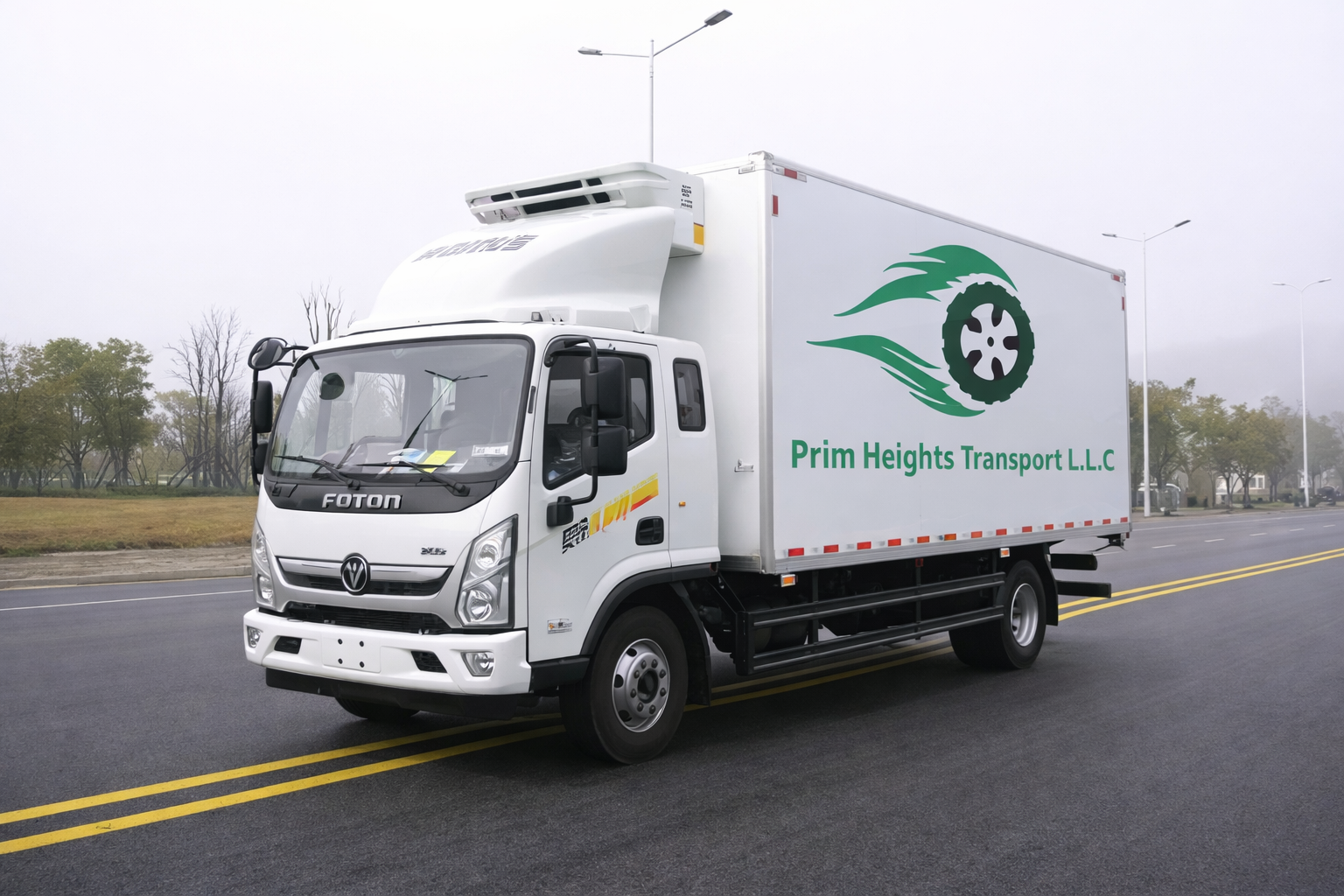
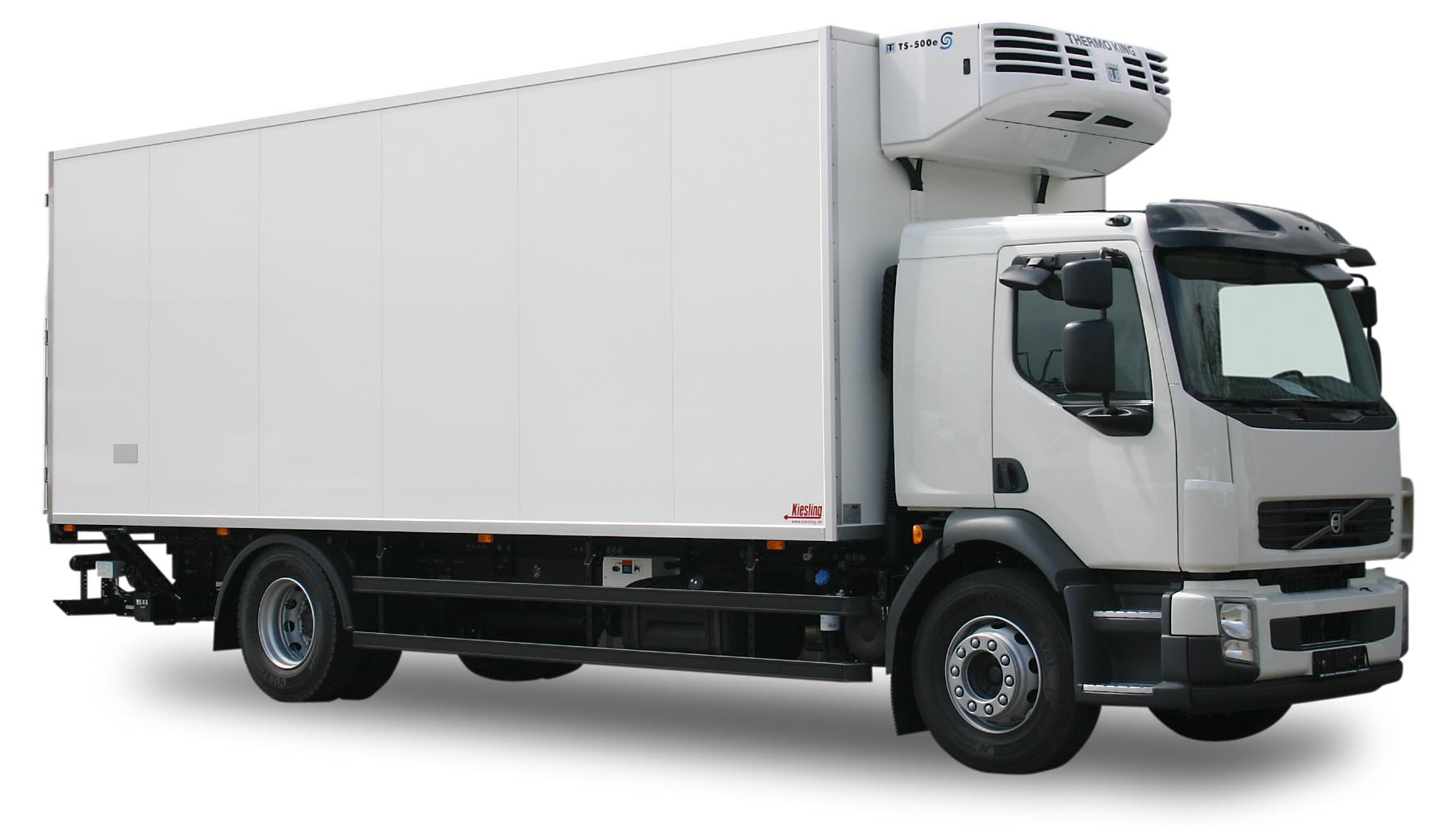
Every photo below is a unit available on contract today. Standard bodies, high-roof bodies, freezer vans and the trucks that take over when the load outgrows the van.




The quote that arrives by WhatsApp usually says one number and leaves the rest out. Fuel, salik, driver allowance, mileage limit, deposit — none of that is in the headline rate. This page walks through what a chiller van rent Dubai agreement actually contains, so the invoice at the end matches the number you agreed to at the start.
Every photo below is a unit available on contract today. Standard bodies, high-roof bodies, freezer vans and the trucks that take over when the load outgrows the van.
Before you compare two quotes, make sure they include the same things. These are the items already in our rate — if another quote does not list them, the headline number is not comparable.
The van is on a scheduled service plan — the compressor, the thermostat, the door gaskets and the box interior are checked between contracts, not just at handover. Cleaning between contracts includes the box interior and the door seals, which is the part that customers often overlook when they compare rates.
If the van develops a refrigeration issue on the third week of a monthly contract, we swap the unit — the hire does not pause and the invoice does not change. If the box gasket starts leaking on a weekly hire, we replace it during a service window, not by adding a line item.
These are the items not included in the base rate. Every one of them is disclosed on the quote before you sign, so nothing shows up on the invoice that was not on the quote.
The written quote lists the base rate, then each of the items above as a separate line with the rate per unit — per litre, per salik crossing, per day of driver allowance, per kilometre of overrun. That way the customer compares apples to apples and the invoice at the end matches what they agreed to.
The biggest source of friction in vehicle hire is the surprise invoice — a number at the end that does not match the number at the start because "fuel and salik were always going to be extra." We close that gap by putting everything on the quote up front, even the variable charges, with the unit rate visible.
If a competing quote has a lower headline number, check what is inside it. Cheaper quotes are often missing chassis insurance, servicing, or the standby replacement — which become expensive the moment something goes wrong.
The right term depends on the route, not the budget. A route that runs every day belongs on a monthly contract; a route that runs twice a month should stay on daily hire.
Best for seasonal peaks, weddings, exhibitions and one-off deliveries.
The rate covers the van for a single day, pre-cooled and ready to go, with 200 to 250 km of included mileage. Fuel is charged at cost or billed against the fuel card. Cleaning between hires is included.
Best for pop-up kitchens, short projects and trial routes.
Seven days, usually at a lower per-day rate than daily hire because the turnaround and cleaning only happen once at the start. Mileage is generous but not unlimited — 1,400 km is typical for a week. Salik and fuel still sit outside the rate.
Best for distribution runs, supermarket replenishment and pharmacy routes.
The van becomes part of the schedule. Servicing happens on a planned cycle so the van is not off the road at peak hours. Fuel can be folded into the rate, and driver allowance is a fixed daily figure instead of a per-trip one.
If you're not sure which term fits, tell us the route and the frequency. We'll recommend a term and explain the per-day difference — then you can decide from numbers, not a hunch.
The two options cost differently because they carry different paperwork and different risk. Here is exactly what each side looks like.
The van leaves with your driver. Insurance on the chassis is included in the rate; your company is responsible for the cargo insurance.
The hire agreement is signed by an authorised company signatory. The agreement lists the vehicle plate, hire dates, mileage allowance, inclusions and exclusions, and the deposit amount. Deposit is released in full at collection if the van returns clean with the fuel level matched to the handover sheet.
The van arrives with a driver from our fleet. Cargo insurance is still the customer's responsibility, but the driving, the route, the parking and the fuel card management are ours.
The driver allowance is a daily figure on top of the base rate. It covers the driver's hours within the working day, their meals and their overnight accommodation if the route takes them outside Dubai. It does not cover salik or fuel — those are still charged separately, either to the contract or against the fuel card.
The hire agreement is a contract, not a form. These are the parts that matter on the day of signing and on the day of return.
Two different covers, and hire contracts often blur them. The chassis insurance covers damage to the vehicle itself and third-party liability in a collision. Cargo insurance covers the goods inside the box. On a chiller van rental agreement, the chassis is typically covered by the rental company and the cargo is the customer's responsibility.
If your cargo is high-value — pharmaceuticals, high-end produce, luxury food stock — check that your existing cargo policy covers temperature failure and not just physical damage. Temperature failure is a separate clause in most policies and is not automatic.
The security deposit is held against damage to the van and against fines incurred during the hire period. It is not held against the final rental fee. For monthly and yearly contracts, the deposit is usually a company cheque rather than a cash payment.
Every hire starts with a signed handover sheet. Both sides sign it, and both sides get a copy. It lists:
The handover sheet is the reference point at return. If the odometer is different from what the return sheet shows, the mileage charge is based on the difference — not on a number pulled out at collection. If the fuel level has dropped below the handover level, the top-up cost is calculated from the difference, not a flat charge.
The temperature reading is the other reason the sheet matters. If a temperature dispute comes up mid-route, the handover value is the baseline for the argument, and it is signed by both sides.
This is the part nobody asks about before signing and everybody asks about the moment it happens. Here is exactly how it works in our fleet.
The driver calls the 24/7 support line first — not a roadside recovery company directly. We log the location, the cargo type, the temperature display reading and the fault symptom. From that call, one of two things happens:
The load is transferred to the replacement van at the transfer point. If the original load was at risk during the delay, the driver records the temperature at each transfer, and the receiving dock signs off. The hire continues on the replacement van without an invoice change.
The hire agreement lists the breakdown response commitments in plain language. The key clauses:
Damage caused by driver negligence — overloading above the rated payload, driving with the box door open, or ignoring a temperature alarm — is outside the breakdown policy and falls under the deposit and insurance claim. The distinction between mechanical failure and driver negligence is determined by the vehicle telemetry, not by opinion.
For the vehicle-level breakdown response on larger loads, see the chiller truck rental page. For the Abu Dhabi route response window, see the chiller van for rent in Abu Dhabi page.
Four steps from picking the term to keys in hand. Most contracts are signed and dispatched within the same working day.
Daily hire suits one-off runs. Weekly hire fits short projects and pop-ups. Monthly and yearly contracts suit standing distribution routes and reduce the per-day rate because the turnaround, cleaning and servicing costs spread across the term.
Self-drive requires the trade licence, a driver with the correct UAE licence category, a security deposit and confirmation of insurance cover. Driver-included removes the driver paperwork but adds a daily driver allowance to the invoice.
The hire agreement lists the vehicle, plate number, hire dates, mileage limit, inclusions and exclusions. The deposit is a fixed amount held against damages and is released back at collection if the van comes back clean.
The van arrives pre-cooled. On the handover sheet the driver notes the plate, the fuel level, the odometer and the thermostat set point. That sheet is the reference for the return inspection and for any temperature dispute along the route.
Delivery and collection are included within Dubai on the first and last day of the contract. Other emirates are quoted separately based on distance.
Al Quoz, Ras Al Khor, Dubai Investment Park, JAFZA, Al Aweer, Dubai Industrial City and Techno Park. Delivery is scheduled around your shift start, not around our yard hours.
Deira, Bur Dubai, Business Bay, Downtown, Dubai Marina, JLT, Barsha Heights and the Sheikh Zayed Road corridor. The van fits the same parking envelope as a standard Toyota Hiace, which is the reference most customer teams recognise.
Chiller van for rent in Abu Dhabi runs on the same contract model with a distance-based delivery line. Sharjah, Ajman, Ras Al Khaimah, Umm Al Quwain and Fujairah are also served. Cross-emirate delivery is quoted per contract, not per trip.
Most of our monthly customers came from a one-day hire, tested the route, and moved to a contract. The reasons they renewed come down to four things.
The variables — fuel, salik, driver allowance, mileage overrun — are all itemised on the quote with a unit rate. Nothing appears on the invoice that was not disclosed. When the customer compares two months, the difference is explained line by line, not lumped into a single "adjustments" figure.
The van is on a planned service cycle so servicing happens during off-peak windows, not at the moment the route needs the vehicle. Compressor checks, gasket replacements and box interior cleaning all run on the same cycle, which is why the van arrives on the day it was promised.
Many hire companies list a replacement clause and then take 24 hours to deliver the replacement. Our clause has a response window tied to the zone — Dubai, Abu Dhabi, other emirates — and the standby units are actually on the yard. Contract customers get priority on those units.
For driver-included contracts, the driver stays on the same route for the duration. They learn the loading bays, the receiving contacts, the parking windows and the drop order. That knowledge shows up in the delivery time and in the number of temperature complaints over the contract period.
Ready to compare? Start with a written quote request or check the vehicle-level detail on the chiller van rental page or the chiller van for rent in Dubai page.
The questions we hear most often from customers who are comparing quotes or preparing to sign.
Send us the route, the term and the driver preference. You will get a quote that lists every line, not just the headline number.