The Trucks Behind the Chilled Schedule
Chiller trucks, chiller vans and the freezer trucks that run alongside them. Every photo is a unit we operate out of Dubai.
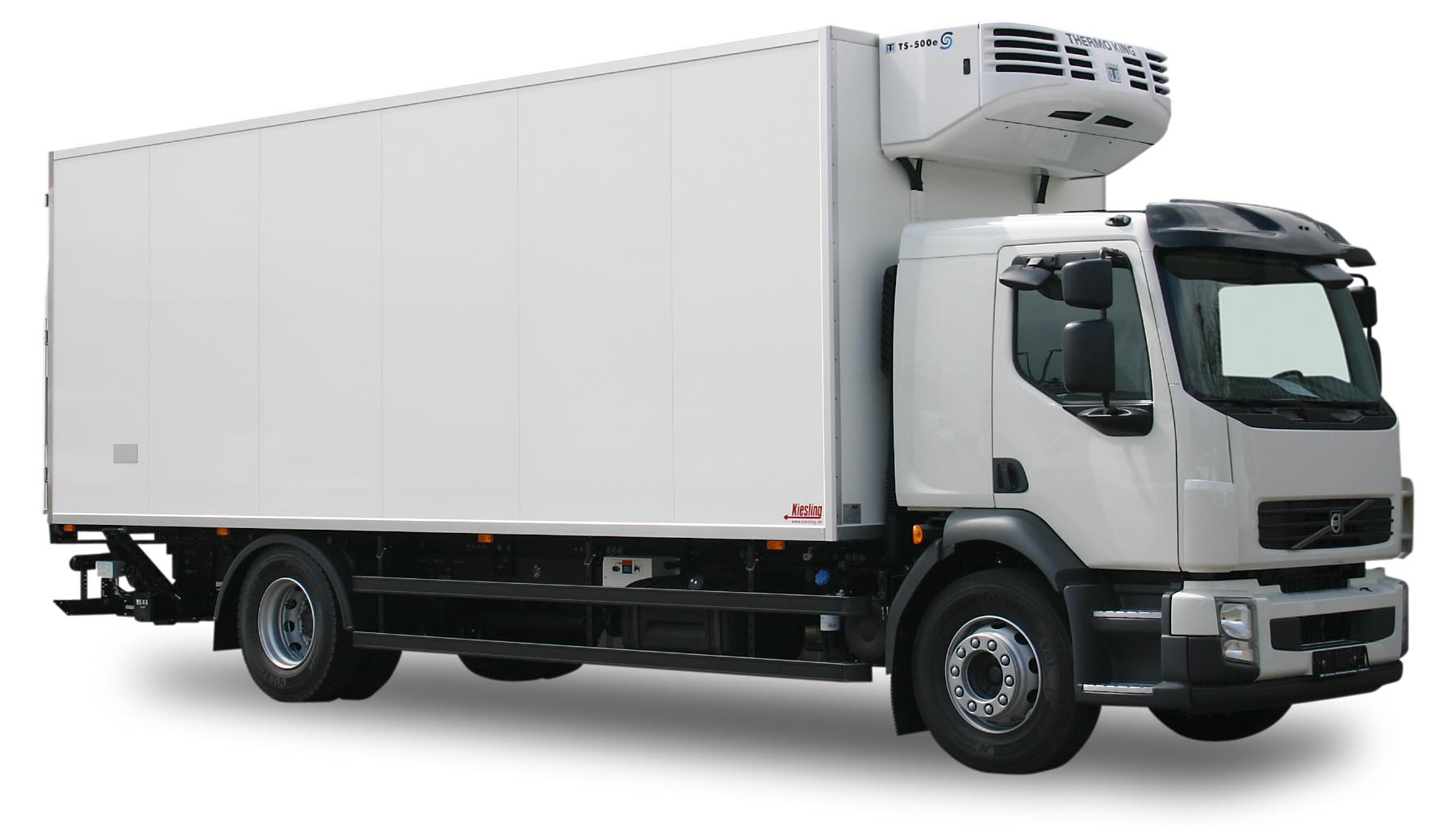
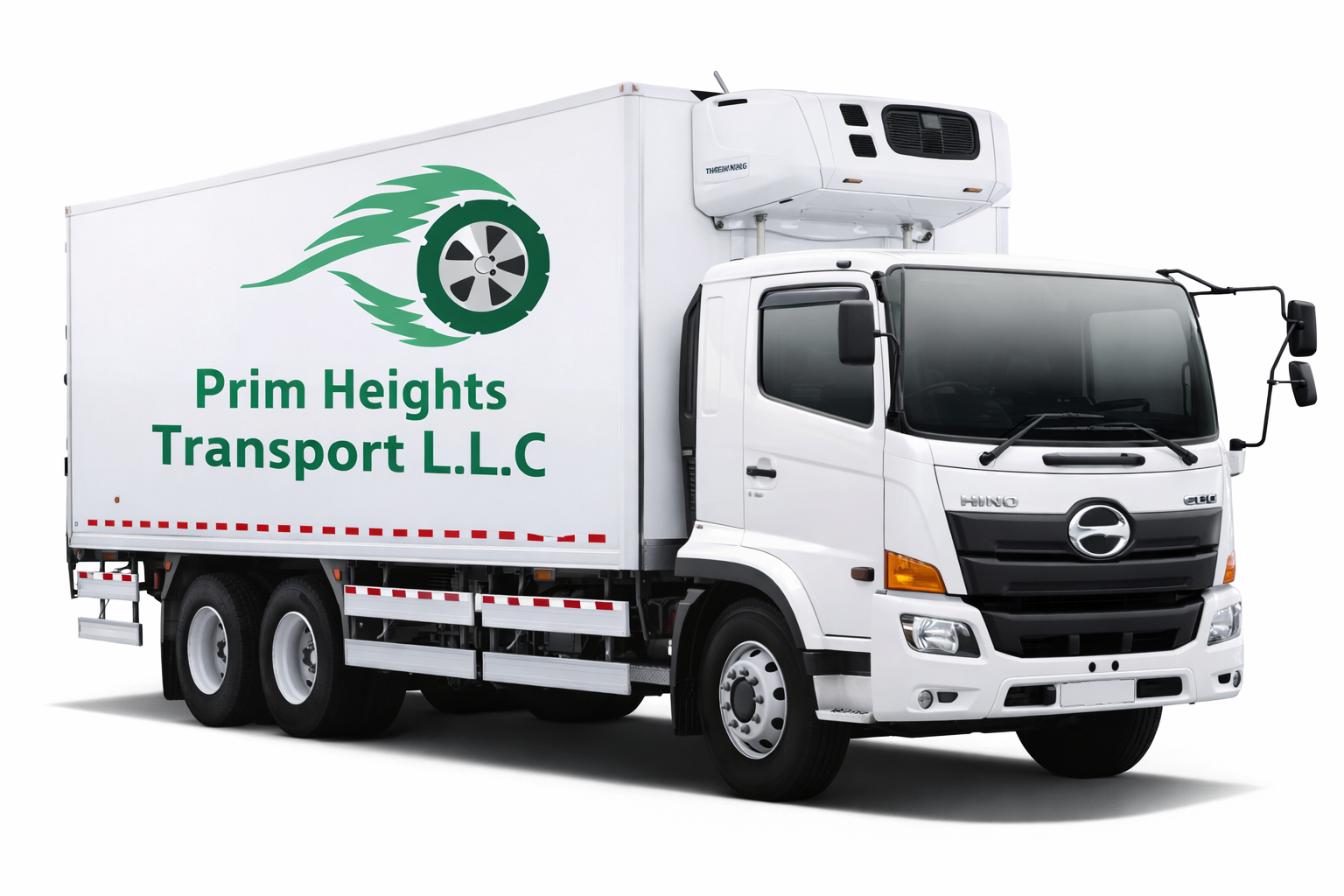

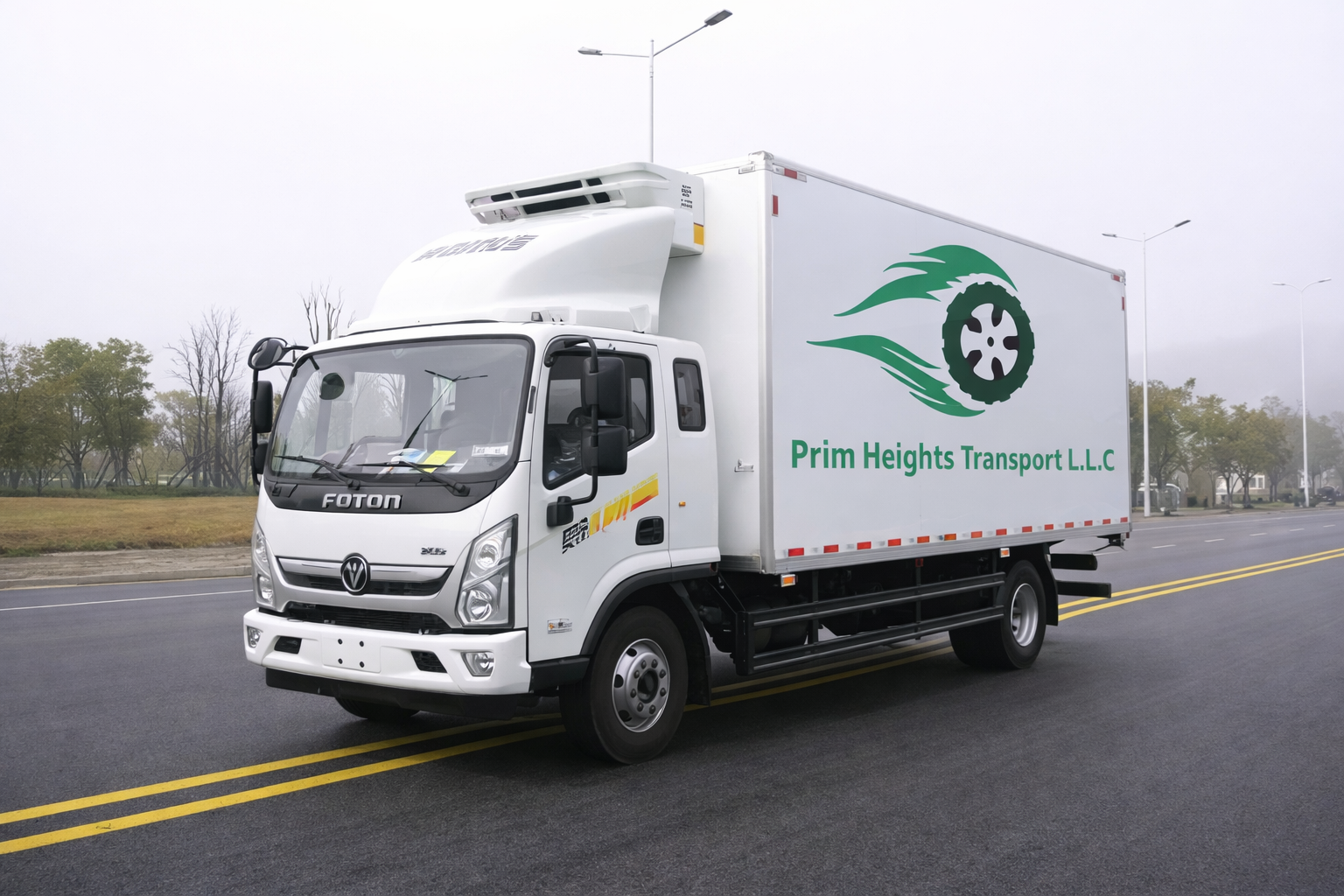

Chilled distribution gets harder when the volume climbs. That is the point where a van either runs out of pallet space or splits the load across two vehicles. A chiller truck carries the whole chilled schedule in one go — and holds temperature while it does it.
Chiller trucks, chiller vans and the freezer trucks that run alongside them. Every photo is a unit we operate out of Dubai.
There is a specific point where a van stops being the right tool. It is not about the total kilometres or the number of stops — it is about how much chilled freight needs to travel in one trip without a reload.
Fridge vans top out around four or five pallets. Once a route needs six or more, you are either stacking above the safe load line, cutting an order off the schedule, or running two vans in convoy. None of those work for a distribution schedule that needs to be predictable.
A 3-ton chiller truck handles 8 to 10 pallets. A 4.2-ton chiller truck handles 12 to 14. Both are loaded by forklift or pallet truck from a proper dock, so a full run is loaded in twenty minutes rather than two hours by hand.
Multi-store distribution makes the same point. A van doing a ten-store loop either reloads mid-route or drops partial deliveries. A truck does the whole loop on one load, with the driver working through the schedule in drop order rather than driving back to base.
The name "chiller truck" refers to the temperature band, not to a compressor size. A chiller truck is set to hold 0°C to +8°C. That is the band where dairy, fresh produce, bakery, prepared meals, chilled meat and most pharmaceuticals travel.
It is not the same as a Freezer Truck. A freezer truck runs at -18°C to -25°C, and the compressor works harder to hold that. Chilled freight does not need sub-zero — putting it in a freezer truck risks frost damage to produce and wastes fuel.
Every one of our chiller truck customers runs the same kind of operation — moving chilled stock from a point of production to a point of sale, without a temperature break in between.
Milk, yoghurt, cheese, eggs, leafy greens and fruit all sit in the chill band. A truck loaded at the distribution centre in the morning can supply ten stores by mid-afternoon without a temperature drop. The insulation holds the set point even on a July run with regular door opens.
A central kitchen cooking for fifteen restaurants runs one overnight chilled schedule. The truck loads at midnight and does the route by 6 am. Door discipline matters here — every opening for a restaurant drop adds recovery time, so the drop order is planned to keep the rear door shut as much as possible.
Fresh dough and finished bakery products both need the chill band, but for different reasons. Dough needs cold to prevent premature proofing. Finished product needs cold to stop staling. A chiller truck running at 4°C covers both, which is why bakeries with ten or more shops book a standing route.
The legal band for chilled meat and fresh seafood sits at 0°C to +4°C. The chiller truck holds that reliably, provided the driver keeps the rear door closed except during the loading and unloading window. For frozen meat or frozen seafood, you need a Freezer Truck or a Refrigerator Truck, not a chiller truck.
Vaccines, insulin and cold-chain medicine travel between 2°C and 8°C. The chiller truck holds that window and logs the temperature at handover, which is what pharmacy distributors need for their records. For higher-volume medical logistics, a Refrigerated Truck with a documented cold-chain log is standard.
Imported produce from Jebel Ali or the airport cargo terminal is often at its most fragile in the first hour. A chiller truck meets the container on the dock, the pallets move straight from the container to the box, and the cold chain never breaks. For cross-emirate runs of the same freight, a Refrigerated Van for Rent in Dubai and Abu Dhabi handles the smaller volumes.
Small vans lose temperature fast when the door opens and again on hot days. Chiller trucks are built differently — the box, the insulation and the compressor are sized for the load, and the whole system works together over a full day's route.
Every chiller truck on our fleet has a box built on a proper insulated panel — polyurethane or polystyrene core with a GRP or aluminium skin on both sides. The floor is rated for pallet truck entry, and the walls are sealed at every joint. That structure alone holds temperature for hours even if the unit is running on a lower duty cycle.
A van with a fitted cooling liner does not have that same mass of insulation. The truck does, which is why a loaded truck running from Dubai to Abu Dhabi in August arrives with the set point intact and a van doing the same run may need a compressor push at the halfway mark.
The most common cause of temperature failure on any refrigerated vehicle is a damaged door seal. We check the gaskets on every truck at handover. A torn seal lets warm air in with every mile, not just every door open — so we swap the truck before it leaves the yard rather than send it out and hope.
Every door open lets warm air into the box. The compressor then works to bring the temperature back to set point. On a chiller truck at 4°C with a full load, the recovery window is roughly 6 to 10 minutes depending on how long the door was open and how much warm air was drawn inside.
That is why the truck's door discipline matters more than the label on the side. Chilled drop runs are planned in door-open order — the store that takes the longest to unload goes first, so the coldest part of the day is used for the most time-consuming stop.
A chiller truck carries a larger cooling unit than a van because it has more interior volume to protect and more thermal mass to recover. The unit runs at a lower duty cycle on a full load and a higher one when the box is part-loaded, which is why we recommend loading close to capacity where the route allows it.
These are the standard shapes of the jobs our chiller trucks do. If yours looks like one of them, the setup will be familiar.
The most common pattern. Distribution centre loads in Al Quoz or Dubai Investment Park at dawn, the truck runs 8 to 14 stores before lunch. Drop order is set to hit the earliest store openings first and work outward through the day.
Import containers arriving at Jebel Ali need to move to a chilled warehouse. The truck meets the container at the dock, the pallets move straight from cold container to cold box, and the temperature never breaks. Common for produce, dairy and pharmaceutical imports.
Dubai to Abu Dhabi for chilled distribution centres, or Sharjah to Dubai for produce. The truck's insulation holds temperature across the longer drive, and the driver plans a single rest stop so the box doors stay closed until delivery.
A central kitchen cooking for a restaurant chain loads at midnight, the truck does the route by 6 am, and the restaurants open with the chilled prep already in their walk-in. The driver finishes before the traffic builds.
Wedding season and large corporate events push chilled delivery into a specific afternoon window. The truck carries the whole chilled order in one vehicle — starters, salads, sauces and chilled desserts — arriving before the event crew.
Distributors that run the same route every day prefer a monthly or yearly contract with a dedicated truck and driver. The truck becomes part of the schedule, and the driver learns the loading bays, receiving contacts and peak-hour patterns by heart.
Rates depend on the truck, the term and the route. Five factors do most of the work, and knowing them helps you plan ahead.
A 3-ton truck costs less per day than a 4.2-ton. The larger box carries more pallets but uses more fuel and takes longer to pre-cool on hot days. The right size is the one that matches the pallet count, not the bigger one.
Daily hire carries a higher per-day rate because the truck turnaround, cleaning and temperature recovery all happen inside one day. Monthly and yearly contracts spread those costs across the term.
Every door open adds recovery time. A twelve-stop store loop costs more than a four-stop bulk drop on the same mileage. Long-haul cross-emirate routes add driver hours and distance charges.
A driver-included rental adds a daily allowance. Self-drive removes that line but requires your own heavy-vehicle-licensed driver and insurance cover for refrigerated heavy vehicles.
Ramadan, wedding season and the summer months push demand up. Booking a week ahead usually secures a better rate than calling the day the load needs to move.
Fuel is quoted separately on short-term rentals. Salik tolls are added per crossing. Long-term contract customers can fold both into a single monthly rate for cleaner accounting.
Send the route, the cargo type and the dates through our quote form and we will reply with a written price that lists every line item.
Four steps from first message to truck keys. Most confirmed bookings are dispatched the same working day.
Call or message with the cargo type, pallet count, target temperature band, pickup location, drop addresses and time window. If you already run the same route with another truck, the existing schedule is enough to start.
We recommend the 3-ton or 4.2-ton chassis based on pallet volume, then issue a written quote that lists the vehicle rate, driver allowance, fuel, salik and any waiting time. Nothing new appears later.
Trade licence, driver licence for self-drive, and a security deposit or company cheque. Once these clear, the truck is allocated on the dispatch sheet for the agreed window.
The chiller truck arrives pre-cooled and temperature-logged. The driver is briefed on the thermostat set point, alarm behaviour and door discipline before the truck leaves the yard.
Our yard sits inside Dubai. Delivery and collection are included within the emirate and quoted separately for the other emirates.
Al Quoz, Ras Al Khor, Dubai Investment Park, JAFZA, Al Aweer, Dubai Industrial City and Techno Park. These are the routes our trucks run before the morning traffic builds.
Deira, Bur Dubai, Business Bay, Downtown, Dubai Marina, JLT, Barsha Heights and Sheikh Zayed Road corridors. Loading bay access is confirmed in advance with the receiving store.
Abu Dhabi, Sharjah, Ajman, Ras Al Khaimah, Umm Al Quwain and Fujairah. Chiller Truck rental in Abu Dhabi runs on the same fleet and terms as Dubai. Delivery is quoted based on distance.
If you are running a full chilled schedule between Dubai and Abu Dhabi or Dubai and Sharjah, a dedicated Chiller Truck handles the whole route in one vehicle. For frozen loads on the same route, we supply a Freezer Truck or a Refrigerator Truck with a dual-compartment setup. For smaller chilled loads, a Chiller Van, Freezer Van, Frozan Van or Fridge Van Rental option is a better fit. The right vehicle for a Refrigerated Van for Rent in Dubai and Abu Dhabi service depends on what needs to move and how often.
Compare our refrigerated truck for rent, fridge van rental and frozen van rental pages before you decide on the vehicle type.
We have been running refrigerated vehicles out of Dubai since 2016. The reasons our contract customers stay are operational, not marketing.
Units sit in our yard ready to go. Confirmed bookings are usually on the road the same day because there is no inbound dead-leg from another emirate to wait for.
A driver who has run the same multi-store loop for six months knows where the loading bay is, which store manager wants a call ahead and which one takes an hour to unload. That knowledge does not come from route software.
The quote separates vehicle rate, driver allowance, fuel and salik. Nothing appears on the invoice that was not in the quote.
If a truck breaks down mid-route, a replacement leaves the yard rather than waiting for a workshop repair. Contract customers get priority on the standby units.
Ready to move? Start with a quote request or check our chiller van for rent in Dubai page if the load is smaller than a full truck.
The questions we get from new customers, answered plainly.
Send the route, the pallet count and the dates. We will come back with a written quote and a truck that fits the freight.